| |
 |
|
Present Courses

|
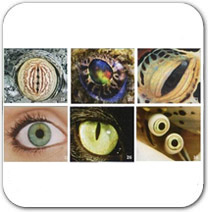
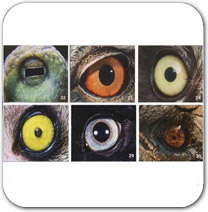
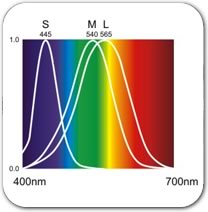
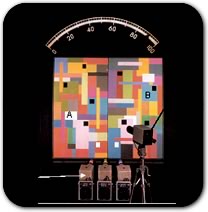
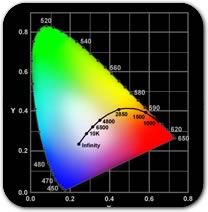
Colour Vision across Species:
|
|
|
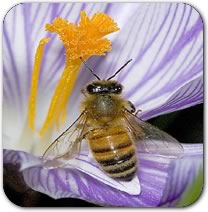
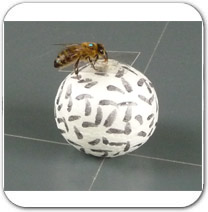
Vision and Cognition in bees
|
|
Previous teaching
|
Sensorimotor Coordination:
Seminars and practicals on sensorimotor coordination,
focussing on methods and recent publications.
Department of Cognitive Neurology (Hertie-Institute) in
cooperation with the Departments of Medical Psychology,
Behavioural Neurobiology and the Centre for Ophthalmology
Tübingen. 2 week course during winter term. |
|
|
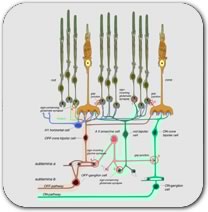
Sensory Physiology:
Practicals on sensory physiology for medical students;
psychophysical testing of visual and auditory functions.
Free University of Berlin. |

|
|
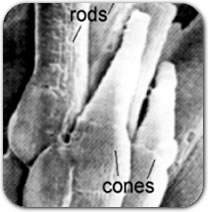
Neurophysiology and Psychophysics of Vision:
Lectures on optics and physiological foundations of vision.
Hong Kong Polytechnic University, Optometry. |
|
|
Methods in Psychophysics:
An introduction into testing visual functions. For students
of medicine, biology, bioinformatics and psychology. Weekly
course during winter term. |
|
|
Baden-Württemberg Certificate for Higher Education Pedagogy from the Hochschul Didaktik Zentrum der Universitäten Baden-Württemberg (2010).
Prize for ‘Best practicals 2003’ Graduate School of Neural and Behavioural Sciences, Max Planck Institutes / University of Tübingen. Seminars and practicals on the neurophysiological foundations of colour vision and psychophysical methods.
|
|
|
|
|



 •
•